Start flue gas damper selection with the job the damper must perform. For flow modulation, consider a butterfly or louver damper. For duct shutoff, a guillotine damper is one option. For routing gas between two paths, consider a three-way diverter. Gas flow, temperature, duct geometry, pressure drop at operating positions, and allowable shutoff leakage determine which design suits the application.
What does the damper need to do?
Describe how the damper will operate during normal production, startup, and shutdown. For flow control, specify the required flow range and how often the damper will change position. For duct shutoff, define the allowable leakage with the damper closed. For flow diversion, identify both routes and the process conditions required while switching between them.
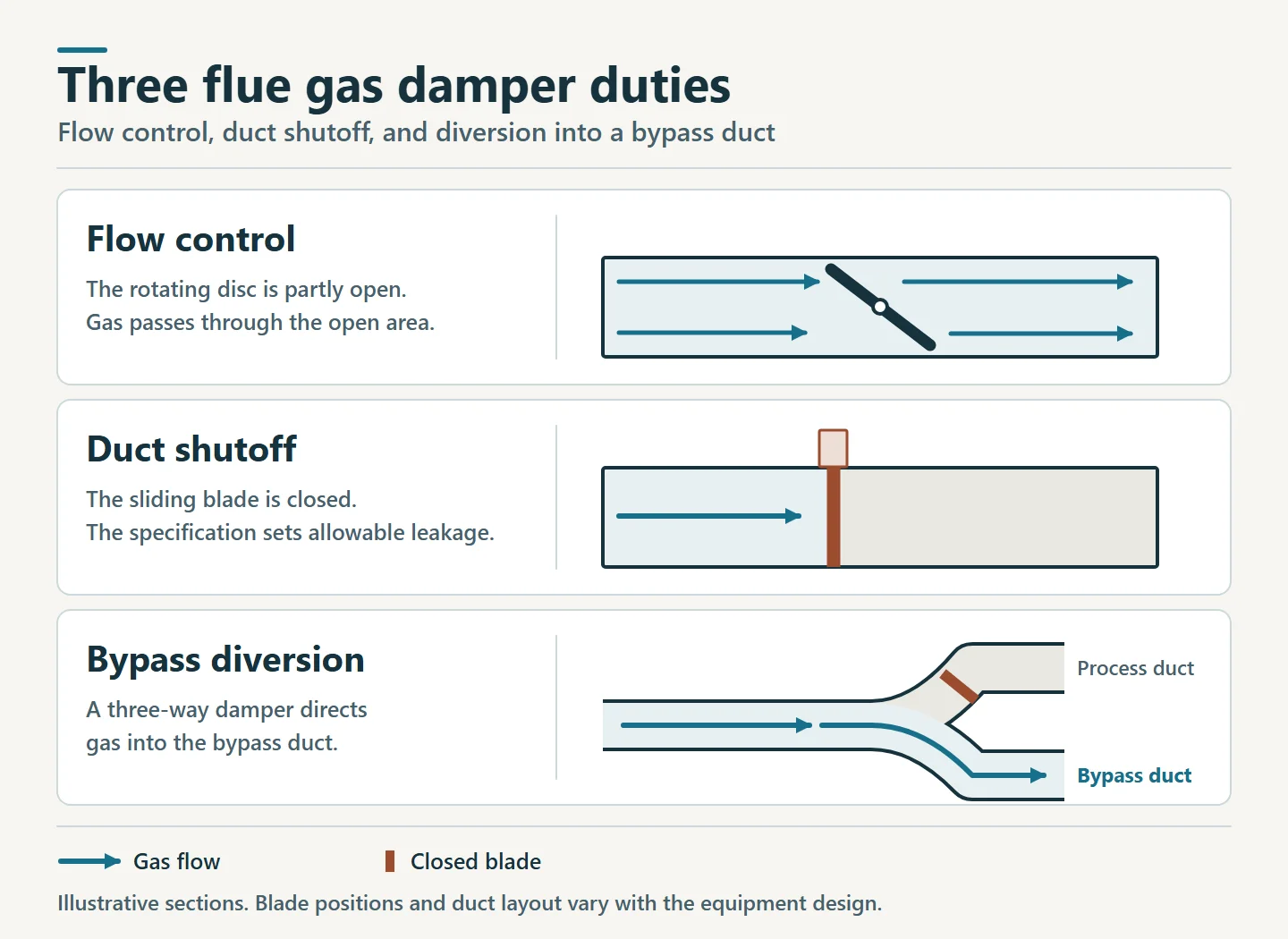
Where one damper has multiple duties, specify a performance requirement for each. A damper that modulates flow during production and closes during shutdown needs pressure drop data at its working positions and leakage data in the closed position.
Damper type | When to consider it | What to verify in the quotation |
|---|---|---|
Butterfly | Modulation or opening and closing with a rotating disc | Working angles, flow range, pressure drop, and shutoff leakage where required |
Louver / multi-blade | Flow control using multiple blades across the duct | Blade arrangement, pressure drop at working positions, and actuation |
Guillotine | Open-and-close service where closed-position performance is a priority | Allowable leakage, differential pressure across the closed damper, temperature, and blade travel clearance |
Three-way diverter | Routing gas between two paths, such as a process duct and a bypass | Flow in each path, process conditions during changeover, and leakage into the inactive path |
Which damper types suit flow control?
A butterfly damper changes the open area of the duct by rotating a disc. A louver or other multi-blade damper uses several blades to regulate flow. Compare the designs against the duct geometry and the range of positions the damper will use most often. Blade arrangement affects how gas flow responds to a change in position. ThermoX Butterfly Damper · ThermoX Louver Damper
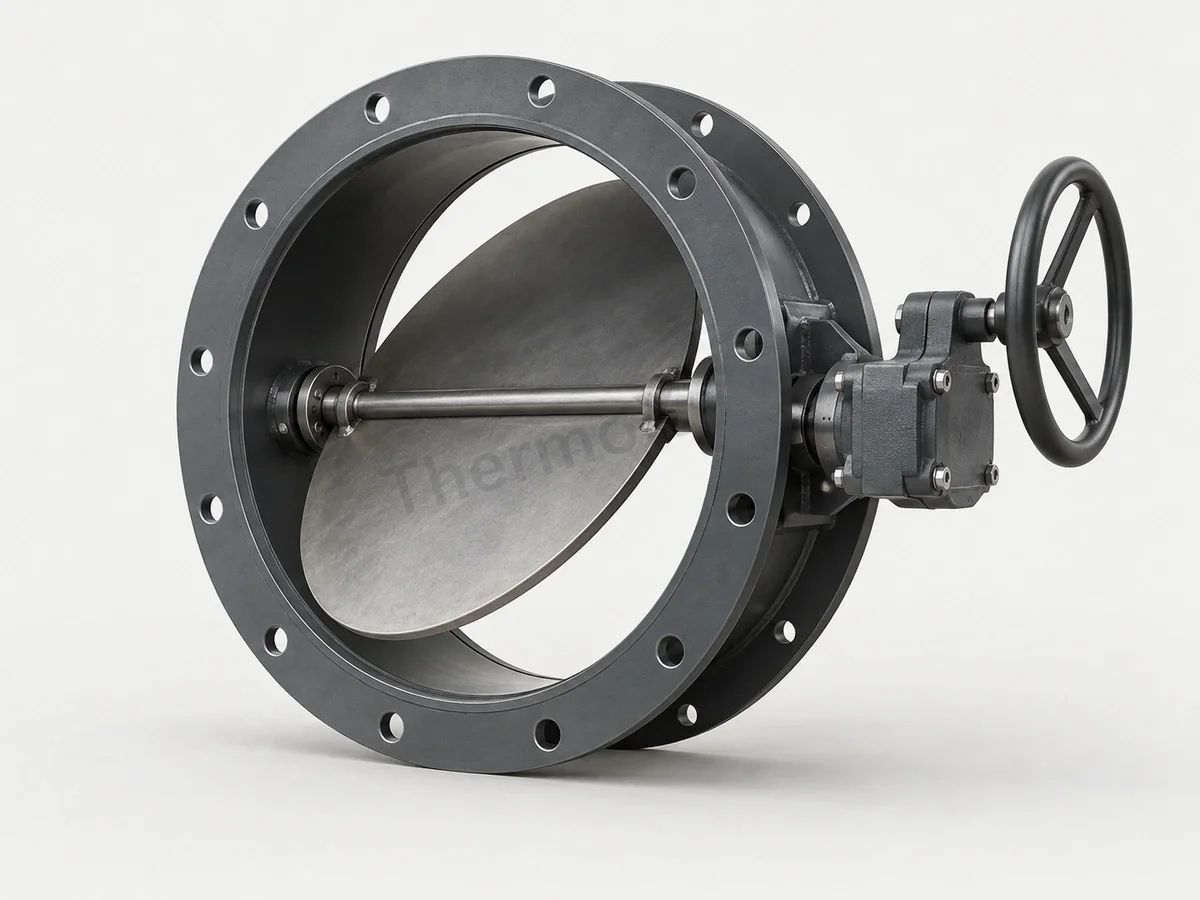
If the damper often runs partly open, ask the supplier for flow and pressure drop data at those positions. Use those data to assess the fan operating point. Where the duct serves a baghouse, read the filter differential pressure alongside the gas flow after a damper position change. Comparing readings at similar flow helps distinguish a change in filter resistance from the effect of higher or lower flow. ThermoX guide to baghouse differential pressure
What should you specify for duct isolation?
Specify the allowable leakage rate, the differential pressure across the closed damper, and the temperature together. If the supplier reports a volumetric leakage rate, record the reference conditions used. This lets you compare offers on the same basis.
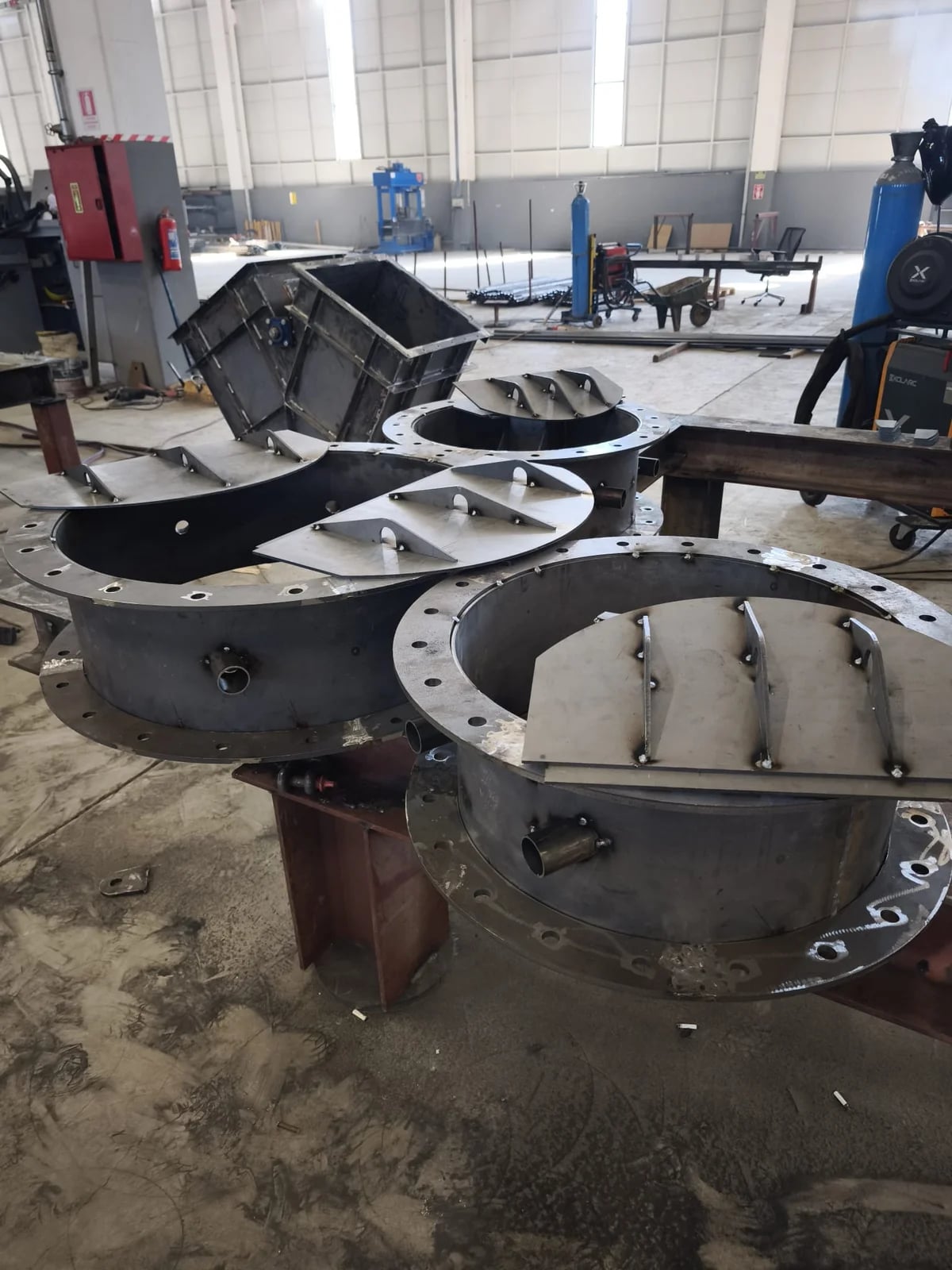
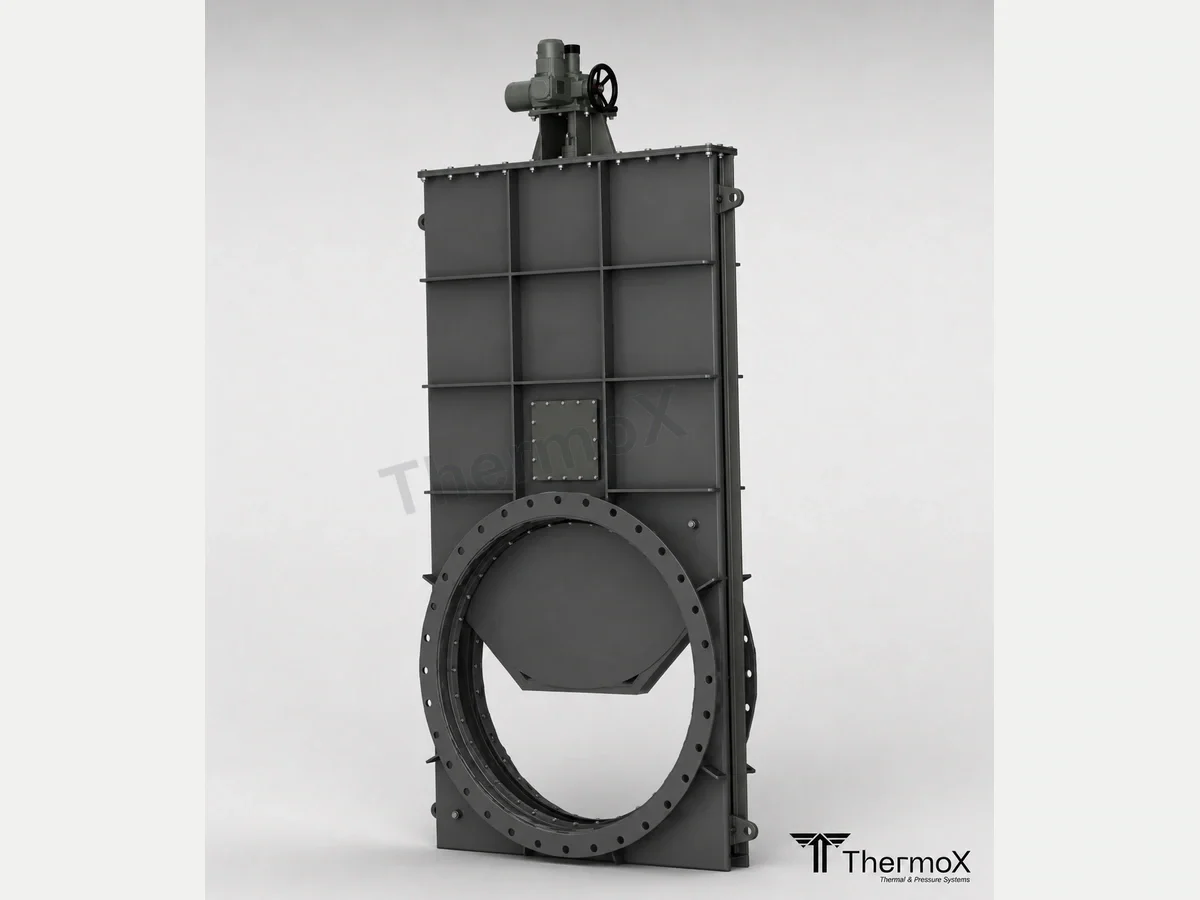
A guillotine damper opens or closes the duct with a sliding blade. Review the seal design, blade travel clearance, actuator layout, and maintenance access together. Where personnel will enter the duct or open equipment for maintenance, select and verify the isolation arrangement under the plant’s approved isolation procedure before work begins. ThermoX Guillotine Damper
When is a three-way diverter damper used?
A three-way diverter directs gas from a common inlet into one of two paths. In a waste heat recovery system, for example, the gas may pass through the recovery equipment during normal operation and take a bypass under other specified operating conditions. Define the flow in both routes, the required changeover time, allowable leakage into the inactive route, and the required damper position on loss of power. ThermoX Three-way Diverter Damper
What information is needed for a damper quotation?
Include a layout drawing and the information below. Identify which values come from operating records and which come from the design specification.
Duty and operating scenarios. Flow control, shutoff, or diversion. Conditions during normal operation, startup, and shutdown.
Gas and process data. Minimum, normal, and maximum gas flow. Flow reference conditions, normal and design temperatures, gas composition, moisture, and particulate loading.
Duct and site dimensions. Duct cross-section, flange dimensions, flow direction, mounting orientation, blade travel clearance, and maintenance access.
Performance limits. Allowable pressure drop at specified flows and positions. Shutoff leakage limit, evaluation conditions, and acceptance method.
Actuation and controls. Available power supply, control signal, position feedback, travel time, and the required position on loss of power.
Conclusion
Give suppliers the same operating duty, gas conditions, and acceptance criteria so you can compare their proposals. Share the process data and site drawings with ThermoX to review the damper and its duct connections together. ThermoX Damper and Duct Systems
Frequently Asked Questions
What is the difference between a butterfly damper and a guillotine damper?
A butterfly damper uses a rotating disc for modulation or opening and closing, depending on its design. A guillotine damper slides a single blade across the duct for open-and-close service. Operating frequency, control requirements, allowable leakage, and installation clearance help determine the right type.
Under what conditions should damper pressure drop and shutoff leakage be evaluated?
Evaluate pressure drop at a specified gas flow, gas condition, and blade position. Specify shutoff leakage at a defined pressure differential across the closed damper, with the temperature and test conditions stated.
How does high flue gas temperature affect damper selection?
High temperature affects the housing, blade, seals, and actuator layout. Provide the normal operating temperature, the peak temperature, and how long the peak can last. These data inform material selection, allowance for thermal expansion, and any lining requirements.
When should a three-way diverter damper be used for a bypass duct?
Consider a three-way diverter when gas from a common inlet must switch between a process duct and a bypass. Specify the design flow for each path, allowable process conditions during changeover, and acceptable leakage into the inactive path.