In today's industry, where energy costs keep rising, competition is intensifying and environmental regulations are tightening, recovering waste heat has become a fundamental requirement for operational sustainability.
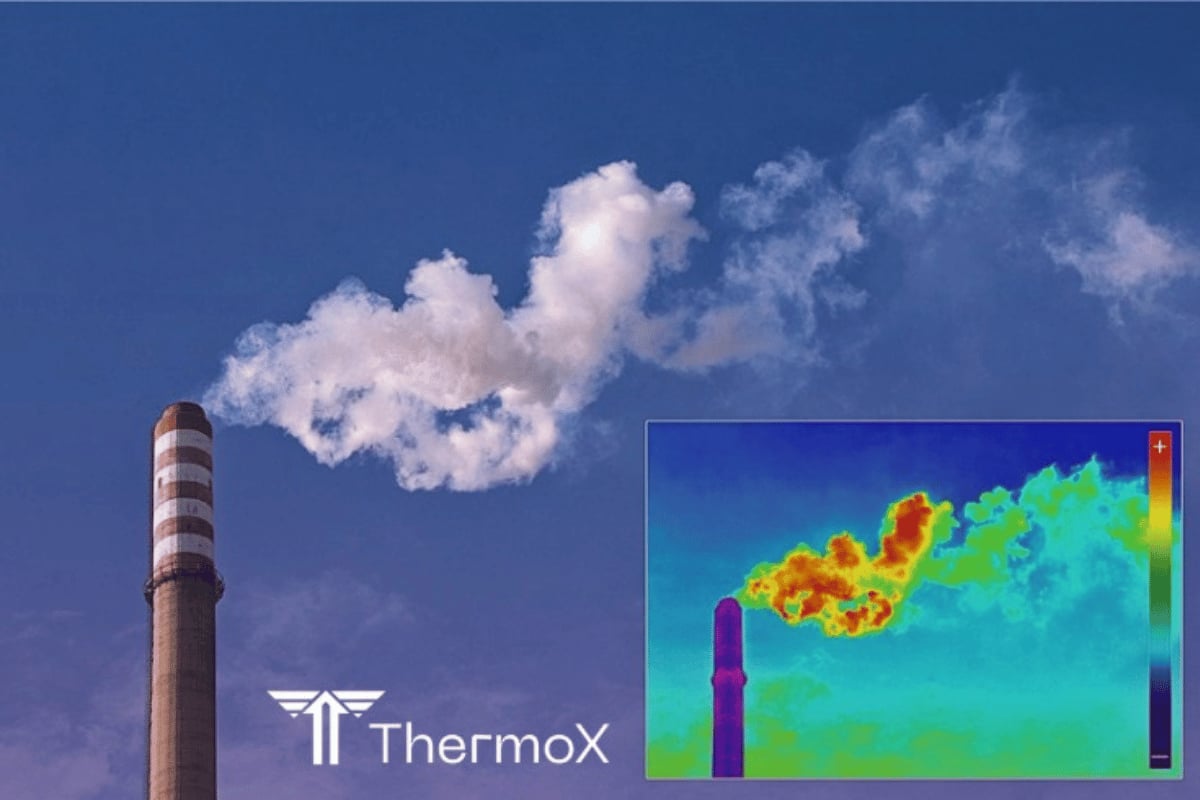
In particular, steam boilers, biomass power plants and facilities with high-temperature processes discharge substantial amounts of energy into the atmosphere. With the right engineering approach, this lost energy can be recovered and contribute directly to operational efficiency.
The energy recoverable from industrial steam boilers and high-temperature processes varies with fuel, load and flue gas conditions. Its potential must be determined through plant measurements and a heat balance.
However, the critical point is this:
Waste heat recovery is about correctly managing the system's thermodynamic and chemical limits, as well as recovering heat.
Why Has It Become Essential?
Rising Energy Costs
Energy accounts for a significant share of total industrial operating costs. Waste heat recovery reduces costs by directly lowering fuel consumption.
Pressure to Improve Efficiency
Plants operating inefficiently quickly lose their competitive advantage. The economic impact of efficiency improvements should be calculated from the facility's consumption and energy costs.
Environmental Regulations
Increasing pressure to reduce carbon emissions has made energy efficiency essential. Waste heat recovery is one of the most effective ways to directly reduce a facility's carbon footprint.
Equipment Life and System Stability
Well-designed systems balance temperature distribution, reduce thermal shocks and extend equipment life. This also lowers maintenance costs.
Reducing the Risk of Unplanned Shutdowns
Waste heat recovery systems improve both efficiency and operating control. Incorrect design, particularly around economisers and air heaters, can cause serious corrosion and blockage problems.
Technical Definition of Waste Heat Potential
The heat carried by flue gas can be expressed approximately as:
Q = ṁ · Cp · ΔT
Where:
ṁ → Flue gas mass flow rate (kg/s)
Cp → Specific heat capacity of the gas (kJ/kg·K)
ΔT → Inlet–outlet temperature difference (°C)
Temperatures to assess in a biomass boiler:
Flue gas outlet temperature: this must be measured under operating conditions.
Target temperature after the economiser: this must be determined from fuel composition, corrosion risk and design conditions.
The gain from an economiser depends on flue gas flow rate, temperature difference, feedwater conditions and existing boiler efficiency. Before quoting a savings percentage, a heat balance must be established using these inputs and the results verified against operating measurements.
Acid Dew Point and Critical Limits
One of the most critical parameters in waste heat recovery is the flue gas dew point.
Particularly with biomass and coal fuels:
SO₂ first oxidises to form SO₃: 2 SO₂ + O₂ ⇌ 2 SO₃. SO₃ then reacts with water to form sulphuric acid: SO₃ + H₂O → H₂SO₄. EPA technical reference, Section 2.2.
The acid dew point depends on water vapour and acid-forming constituents in the flue gas. A single temperature range should not be applied to every fuel and facility.
If the flue gas temperature falls below this point:
Acidic condensation begins
Accelerated corrosion develops in economiser tubes
Perforations and premature equipment failures occur
The design approach should therefore be:
Target a safe minimum flue gas temperature rather than maximum heat extraction alone.
Design Parameters for Heat Transfer Equipment
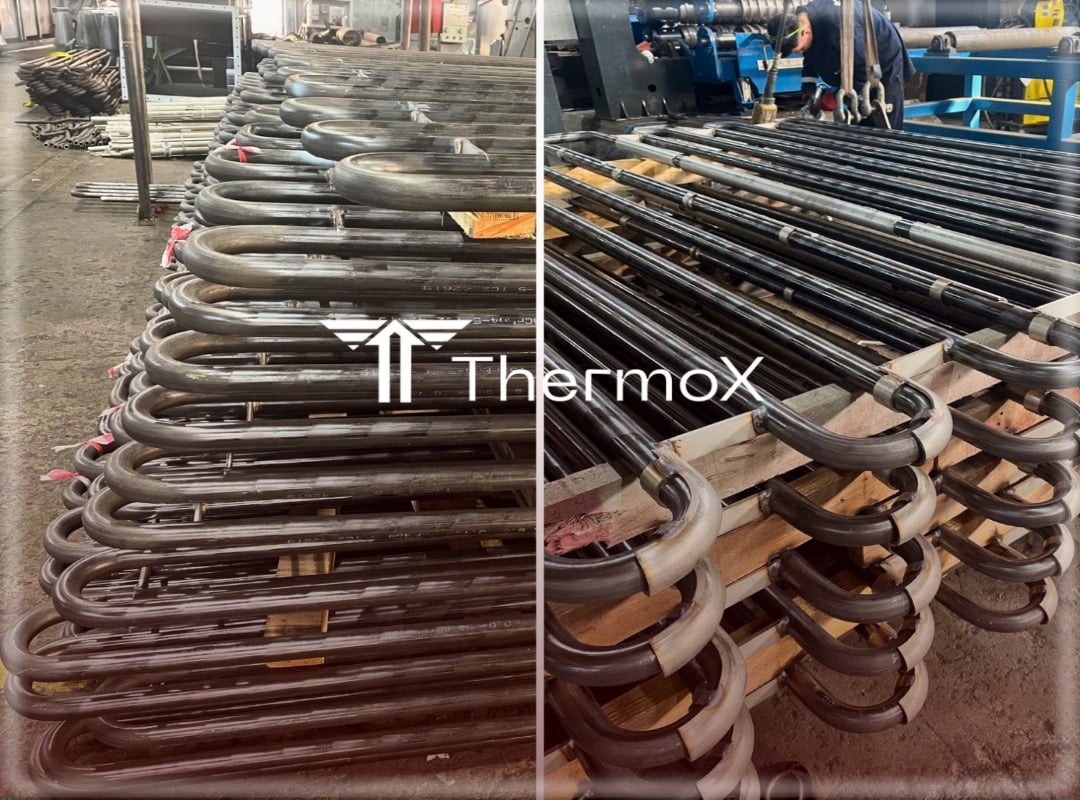
Economiser Design
Critical parameters:
Gas-side velocity: determine this for the project together with ash loading, fouling and erosion risk.
Water-side velocity: calculate this from heat flux, pressure, temperature and hydraulic conditions.
Materials:
Low temperature: P235GH
Medium temperature: 16Mo3
The fouling factor must be considered
Field Experience:
Insufficient velocity → ash accumulation
High velocity → erosion
Air Preheater (APH)
Combustion air temperature: determine this according to the boiler and fuel design conditions.
Efficiency impact: calculate this using operating measurements and an energy balance.
However:
Low gas temperature → APH blockage
Ash + moisture → adhesion and increased pressure loss
Heat Exchangers / Recuperators
Counter-flow design is preferred
Log Mean Temperature Difference (LMTD) calculations are required
Insufficient surface area → low efficiency
Excessive surface area → unnecessary cost + pressure loss
Corrosion and Erosion Mechanisms
Waste heat recovery zones also experience some of the most aggressive operating conditions:
Corrosion:
Acidic condensation
Condensation in low-temperature zones
Effects of chlorine and alkali metals in biomass fuels
Erosion:
High velocity + particle transport
Particularly at coil bends and elbows
This makes:
Wear-resistant materials or coatings
Sheet-metal shielding and cladding
Flow direction optimisation
critical considerations.
Design and Installation Errors
The most common errors encountered in the field:
Trying to reduce flue gas temperature as far as possible
Omitting dew point calculations
Oversizing the economiser surface area
Uneven gas distribution
Inadequate soot-blowing systems
Consequences:
Tube perforations and premature equipment failures
Blockages and efficiency losses
Unplanned shutdowns
Balancing Efficiency and Risk: The Engineering Trade-off
The optimum point in waste heat recovery combines:
Maximum efficiency
Minimum corrosion risk
Acceptable pressure loss
Investment made without achieving this balance:
Delivers short-term gains followed by medium-term failures.
The ThermoX Approach
At ThermoX Engineering, our approach covers system engineering as well as equipment manufacturing:
Field measurements and data analysis
Heat transfer calculations
Material selection based on corrosion and temperature
Overhaul and retrofit engineering
Site installation and performance monitoring
Particularly in economiser and air heater retrofits at existing facilities, real gains come from accurate analysis.
Conclusion
Waste heat recovery is now an engineering necessity that goes beyond efficiency improvement:
It brings energy costs under control
It influences equipment life
It directly affects plant safety
and is an essential engineering requirement.
A poorly designed system can cause serious failures, while a well-designed system can recover its investment quickly and provide long-term operational advantages.
Frequently Asked Questions
Why Has It Become Essential?
Rising Energy Costs: Energy accounts for a significant share of total industrial operating costs. Waste heat recovery reduces costs by directly lowering fuel consumption. Pressure to Improve Efficiency: Plants operating inefficiently quickly lose their competitive advantage. The economic impact of efficiency improvements should be calculated from the facility's consumption and energy costs. Environmental Regulations: Increasing pressure to reduce carbon emissions has made energy efficiency essential. Waste heat recovery is one of the most effective ways to directly reduce a facility's carbon footprint. Equipment Life and System Stability: Well-designed systems balance temperature distribution, reduce thermal shocks and extend equipment life, lowering maintenance costs. Reducing the Risk of Unplanned Shutdowns: Waste heat recovery systems improve efficiency and operating control. Incorrect design, particularly around economisers and air heaters, can cause serious corrosion and blockage problems.