Replacing economiser coil tubes is one of the most important steps in maintaining energy efficiency and operational continuity in industrial boiler systems. Operating at high temperature and pressure, economisers develop corrosion, cracks or deformation over time, reducing system performance. Professional tube replacement using the right equipment and engineering approach reduces energy losses and improves safety.
Causes of Tube Damage
Tube damage is usually what makes replacement necessary. Major causes include corrosion, high-temperature stress, deposit accumulation and material fatigue. Corrosion occurs when oxygen and chemicals in boiler water cause rust on metal surfaces. Thermal expansion and sudden temperature changes can cause cracks in the metal. Without regular maintenance, these effects combine to shorten tube life.
Preparation Before Maintenance
Careful preparation is required before replacing economiser coil tubes. The first step is to cool the boiler system completely and depressurise it. Water is then drained, the work area made safe and personal protective equipment (PPE) prepared. Tube dimensions, technical drawings and the material list are checked to plan the replacement. This preparation is critical to a safe, error-free process.
Replacement Activities
Economiser coil tube replacement involves several technical stages, each requiring careful attention. The main stages are described below.
Identifying Damaged Tubes
The first stage is to identify damaged tubes accurately. Visual inspection, ultrasonic testing or pressure tests establish whether tubes have cracks, perforations or deformation. This allows replacement to be limited to the necessary areas, saving time and cost.
Removing Existing Tubes
Damaged tubes are removed carefully. Appropriate cutting techniques and equipment are used to avoid damaging sound tubes. Work-area safety and the system's structural integrity remain priorities.
Preparing New Tubes
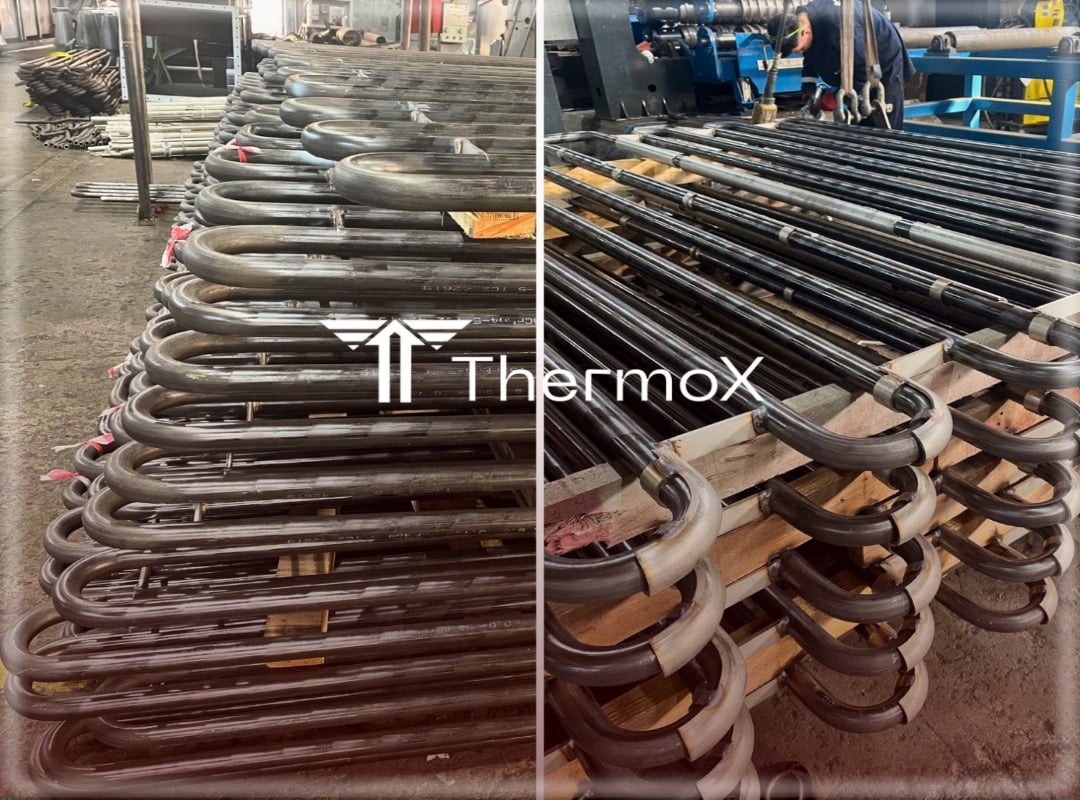
Preparing new tubes directly affects system efficiency. Suitable materials, such as carbon steel or stainless steel, are selected. Tubes are cut to size and their ends prepared smoothly for welding. Each tube is cleaned before installation.
Installation and Welding
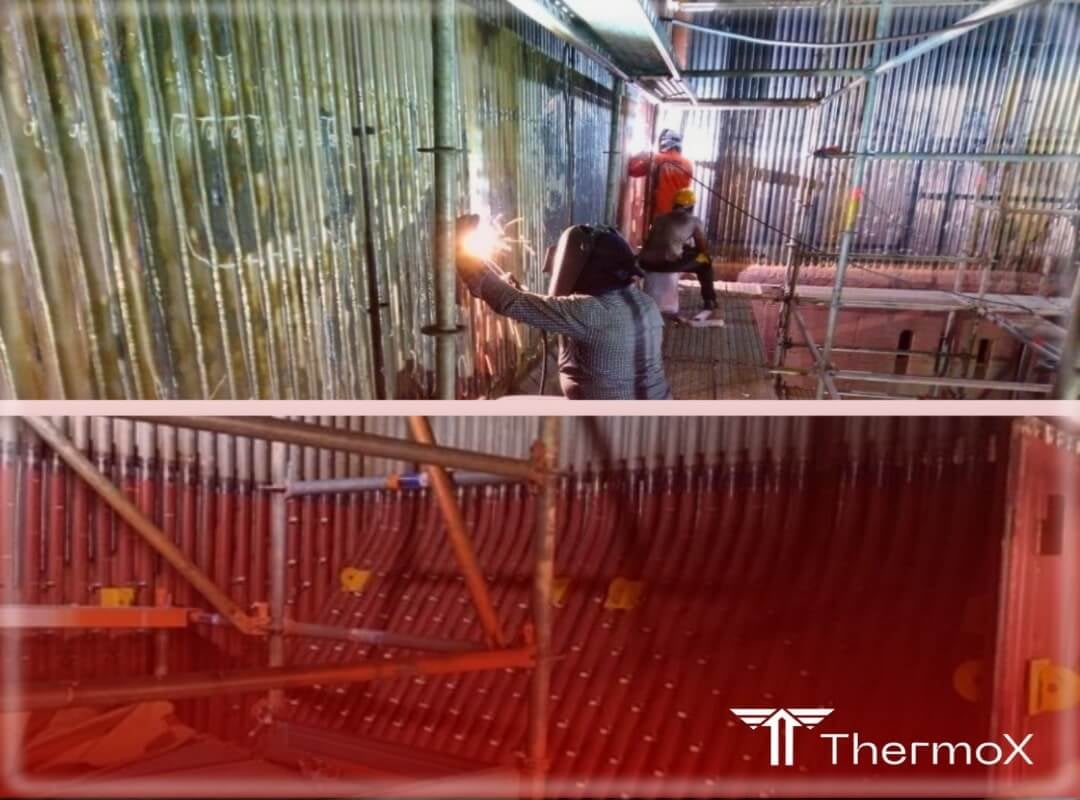
Tubes are positioned in the system and welded. Certified welders must perform the work, and weld quality must be verified afterwards through visual inspection and non-destructive testing such as radiography or penetrant testing. This stage is decisive for safety and long service life.
Testing and Inspection
After replacement, the system undergoes pressure testing. Tests using water or air check for possible leaks. The system is then cleaned internally to remove particles remaining inside the tubes, helping prevent failures during commissioning.
Commissioning
All connections are checked during commissioning, and water flow and temperatures are monitored carefully. If any leakage or abnormal temperature difference is detected, the system is shut down again for correction. This stage ensures safe return to operation.
Conclusions and Recommendations
Economiser coil tube replacement should be considered as part of planned maintenance as well as in response to failures. Monitoring boiler water quality, preventing deposits and regularly cleaning surfaces extend tube life. Professional engineering support improves energy efficiency while minimising safety risks.
Frequently Asked Questions
How long does economiser coil tube replacement take?
Depending on the extent of damage and system configuration, it takes an average of 2–5 days.
Which materials should be used for economiser coil tube replacement?
Carbon steel or stainless steel resistant to high temperatures and corrosion should be selected.
Is testing required after economiser coil tube replacement?
Yes. Pressure tests and weld inspections must be carried out. These tests are essential for system safety.
Can economiser coil tubes be replaced without stopping production?
No. The system must be completely shut down and depressurised. Safety must take priority.
Why is professional support important during economiser coil tube replacement?
Experienced engineering support is required for correct welding techniques, suitable material selection and testing. This helps ensure safe operation and long service life.
ThermoX Engineering provides safe, efficient and durable economiser coil tube replacement and boiler maintenance solutions through its experienced team and practical field capabilities. We support facilities in reducing energy losses and improving system performance.