Replacing membrane wall tubes is a critical maintenance task for safe and efficient boiler operation in power plants and industrial facilities. In these high-pressure, high-temperature systems, membrane wall tubes optimise heat transfer and reduce fuel consumption. However, corrosion, cracking or deformation can make replacement necessary over time. This article explains the replacement process step by step, why it is needed and why professional maintenance is vital.
The Function of Membrane Wall Tubes
Replacement maintains the function of one of the boiler's most important components. Membrane wall tubes increase the heat transfer surface as water is converted to steam, allowing effective use of combustion-chamber heat. They also guide flame and hot gas flow, protecting the boiler casing from direct exposure to high temperatures. Sound membrane wall tubes are therefore critical to both efficiency and safety.
Causes of Tube Damage
The main drivers for replacement are system wear and external effects. Corrosion, high-temperature stress, deposits, poor water quality and metal fatigue are among the most common causes. Over time, they lead to wall thinning, holes or cracks. Incorrect water treatment chemicals and irregular maintenance can also substantially shorten tube life.
Membrane Wall Tube Replacement Procedure
The procedure requires advanced technical knowledge and safety measures. Replacement is usually planned during maintenance periods or after damage is detected. It consists of controlled stages from preparation to commissioning. Suitable equipment, appropriate materials and certified personnel are central to success at every stage.
1. Preparation and Safety
Preparation and safety checks are the most important initial stage. The boiler must be completely shut down, depressurised and drained. The work area is then isolated and access restricted to authorised personnel. Required personal protective equipment, including helmets, gloves and safety glasses, is prepared.
2. Identifying Damaged Tubes
The second stage identifies damaged tubes. Visual inspection, ultrasonic wall-thickness measurement or pressure testing locates deformation. This allows only affected tubes to be replaced, saving time and cost.
3. Removing Existing Tubes
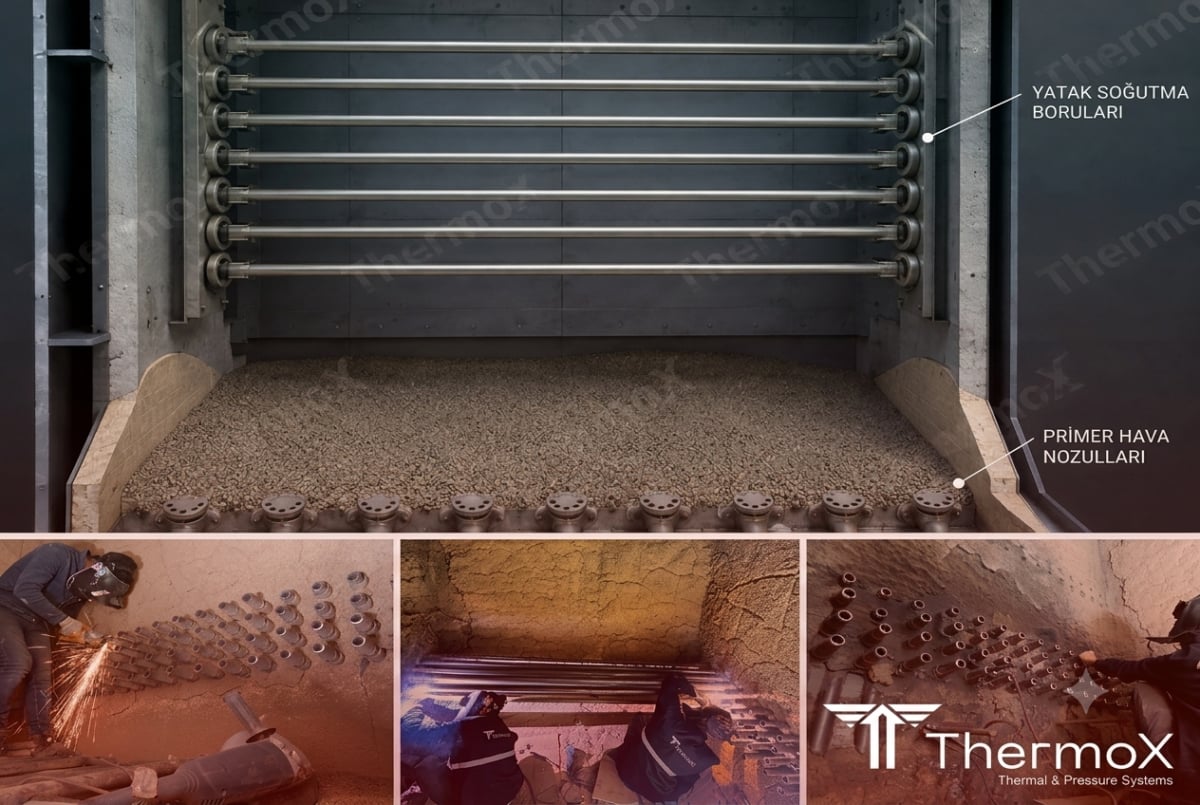
Damaged tubes are carefully removed, usually using cutting, grinding or mechanical removal equipment. Avoiding damage to adjacent sound tubes is essential.
4. Preparing New Tubes
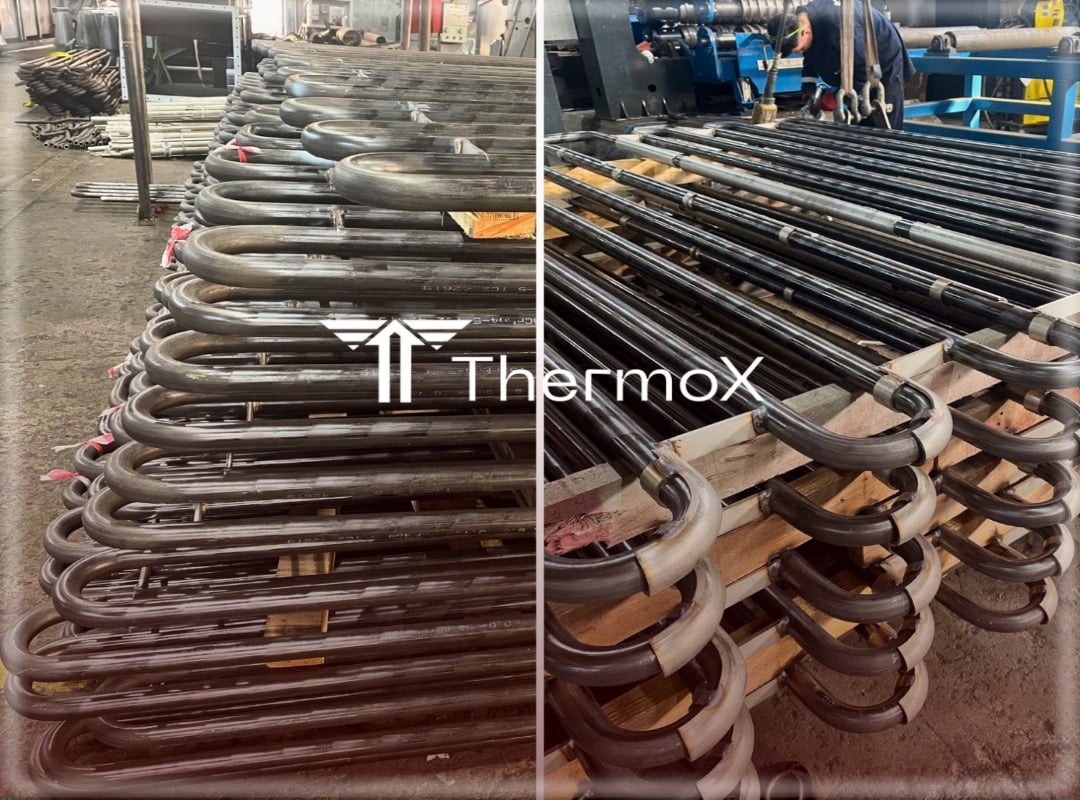
New tubes are prepared according to the system's technical requirements. Diameter, wall thickness and material grade, such as P235GH or 13CrMo4-5, must be selected carefully. Tube ends are smoothed and cleaned for welding.
5. Installation and Welding
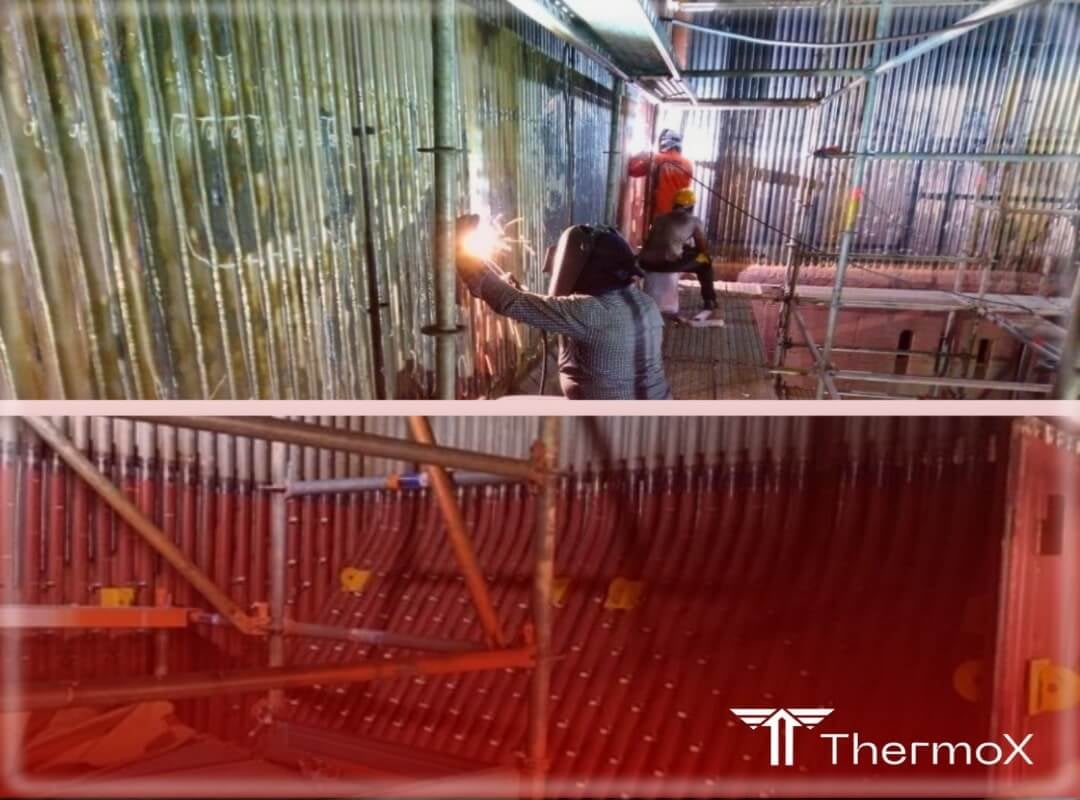
New tubes are installed at the correct angles and dimensions. Only certified welders should perform the work, and welds must be inspected to international standards such as ASME or EN. Quality is verified afterwards using radiography or liquid penetrant testing.
6. Testing and Commissioning
After replacement, the system undergoes pressure testing. Hydrostatic tests check tube strength and weld tightness. The boiler is then commissioned carefully, with water circulation and temperatures monitored.
Frequently Asked Questions
How long does water-tube boiler membrane wall tube replacement take?
Depending on system size, it is generally completed within 3 to 7 days.
Which materials should be used for replacement?
Carbon steel or alloy steel tubes capable of withstanding high temperature and pressure should be selected.
Does production stop during replacement?
Yes. For safety, the boiler must be completely shut down and depressurised.
Is testing required after replacement?
Yes. The system must not be commissioned before hydrostatic testing and non-destructive weld inspections (NDT) are completed.
Why should specialist companies perform the work?
Defective welds or incorrect material selection can cause serious safety risks, including explosion, and substantial energy losses.
Operate Safely with ThermoX Engineering
ThermoX Engineering provides water-tube boiler membrane wall tube replacement and comprehensive boiler maintenance and repair through its specialist engineers and certified technical team. Use our professional solutions to support safe, efficient and long-lasting plant operation. Contact us to include your power plant in a suitable maintenance programme.