Bed cooling tubes are critical components in industrial energy production. They cool the high-temperature bed section inside the boiler, ensuring system safety and a long operating life. Industrial fluidised bed boiler systems are preferred for their energy efficiency, but this efficiency depends heavily on the performance of the bed cooling tubes.
What Is a Bed Cooling Tube?
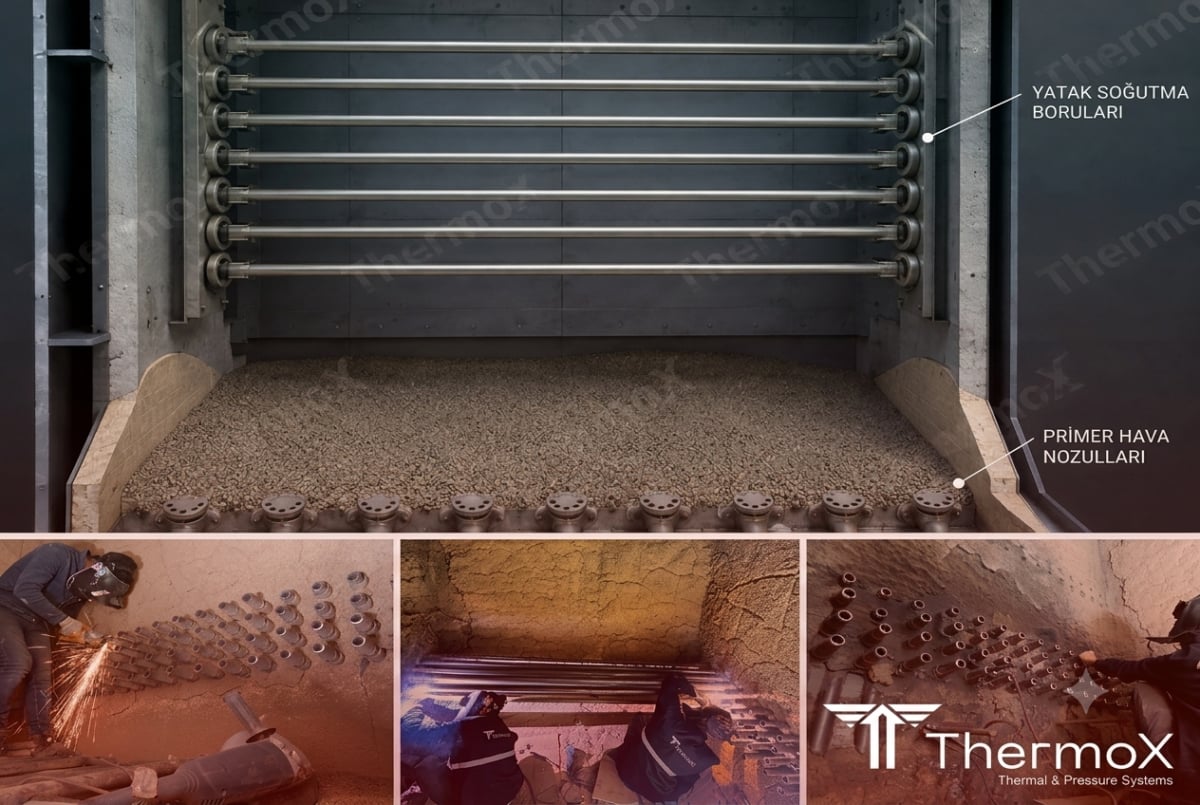
Bed cooling tubes control heat in the bed region at the bottom of a fluidised bed boiler.
Function:
Their main function is to regulate temperature in the high-temperature lower section of the boiler and contribute to safe operation. These tubes improve combustion efficiency while protecting boiler components from overheating.
Construction:
Usually manufactured from heat-resistant steel alloys, the tubes reduce heat inside the boiler through water or steam circulation. Their ability to withstand high pressure is important for long-term performance.
Causes of Failure:
Material fatigue caused by high temperatures
Corrosion and oxidation
Erosion from ash and particles produced during combustion
Inadequate maintenance and cleaning
If these problems are ignored, the tubes may develop holes or cracks and the boiler may have to be taken out of service.
How Are Bed Cooling Tubes Replaced?
Replacing fluidised bed boiler bed cooling tubes is a staged process requiring expertise and strict attention to safety. Incorrect work can seriously damage both the boiler and the facility.
Preparation and Safety
Before replacement begins, the boiler is completely shut down and depressurised. All safety equipment is kept ready, and personnel must use personal protective equipment (PPE).Removal of Existing Tubes
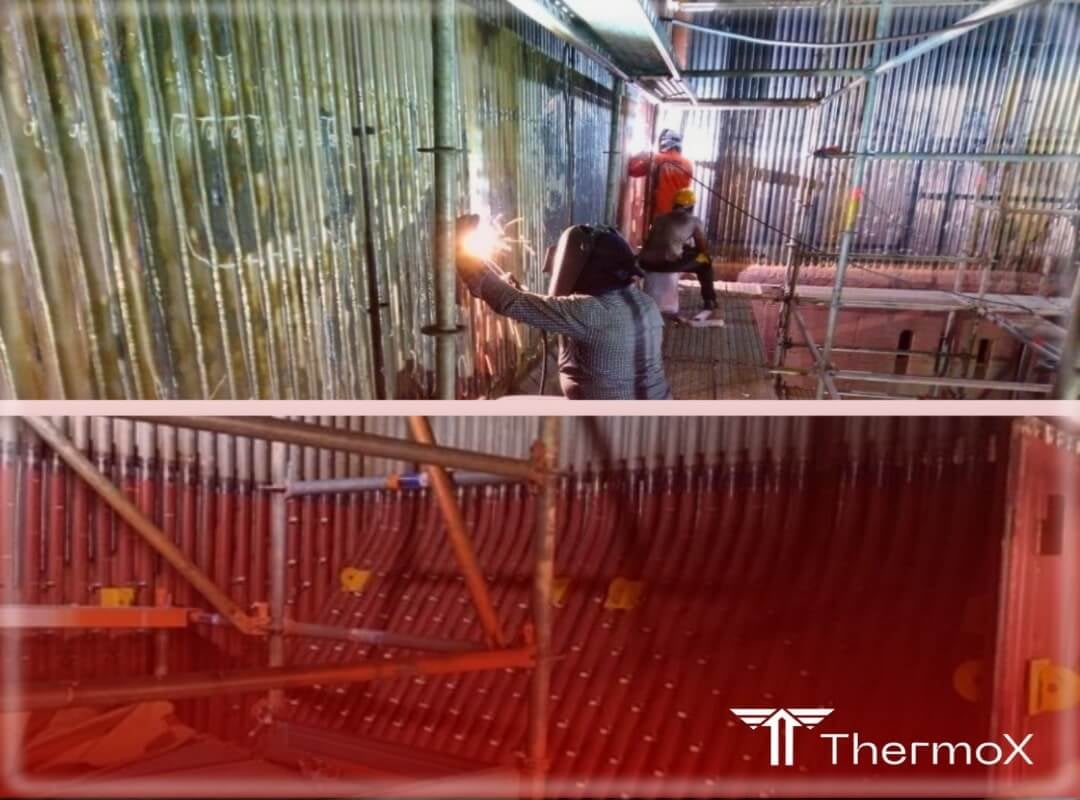
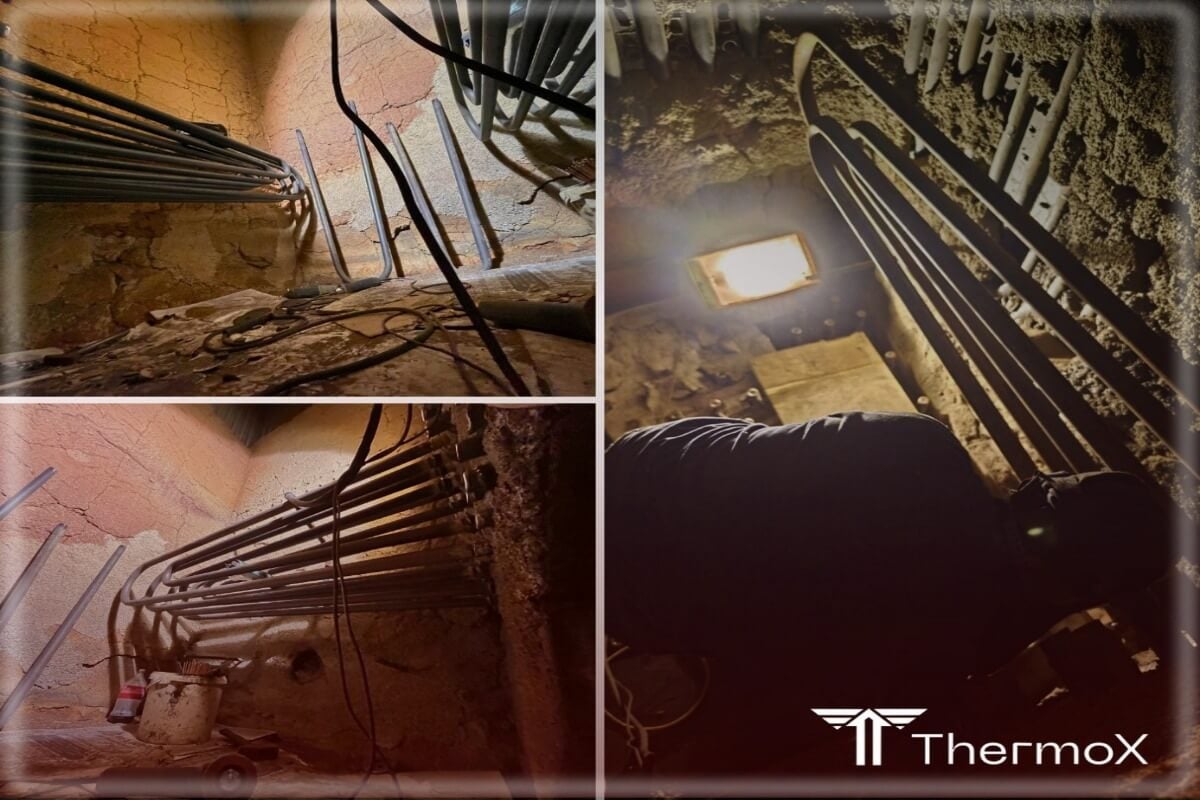
Damaged bed cooling tubes are cut at their welded connections and removed. Care must be taken to avoid damaging the surrounding sound tubes.Installation of New Tubes
New bed cooling tubes are prepared to the boiler dimensions and installed. High-quality welding techniques must be used, and leak tightness must be checked.Pressure Testing and Commissioning
After installation, the system is checked through a pressure test. If no leakage or deformation is found, the boiler is returned to service. This stage is critical to safe and efficient operation.
Why Is Regular Bed Cooling Tube Maintenance Necessary?
Bed cooling tube maintenance is essential to preventing failures and reducing long-term operating costs.
Efficiency: Regular maintenance improves heat transfer and reduces fuel consumption.
Safety: Detecting cracks or corrosion early helps prevent boiler shutdowns.
Cost Benefits: Timely maintenance prevents major repair expenses.
Continuous Operation: Neglected systems can stop production through unexpected failures, causing substantial losses.
Conclusion
Bed cooling tubes are fundamental to reliable and efficient energy production. Correct management of their function, construction, maintenance and replacement extends boiler life and improves energy efficiency. Regular maintenance and professional intervention protect your facility from unexpected shutdowns and expensive failures.
Frequently Asked Questions
How often should fluidised bed boiler bed cooling tubes be replaced?
Their service life can generally be extended through regular inspections over a period of 3–5 years, but they should be replaced promptly if signs of failure appear.
What is the most common failure in bed cooling tubes?
The most common problem is cracking caused by corrosion and wear.
How often should maintenance be performed?
Comprehensive maintenance and inspections are recommended at least once a year. Systems operating intensively may require shorter intervals.
How can tube service life be extended?
Quality material selection, regular cleaning, pressure checks and professional maintenance can significantly extend tube life.
Bed cooling tubes should be monitored carefully through regular maintenance and inspections, not only when they fail. Maintenance by professional engineers identifies corrosion, cracks or deformation at an early stage, minimising shutdowns and maintaining production continuity. Regular inspection is also critical to lowering energy costs, improving fuel efficiency and maintaining safety.
At ThermoX Engineering, our team specialising in fluidised bed boiler maintenance and repair provides professional bed cooling tube replacement and comprehensive boiler maintenance services.