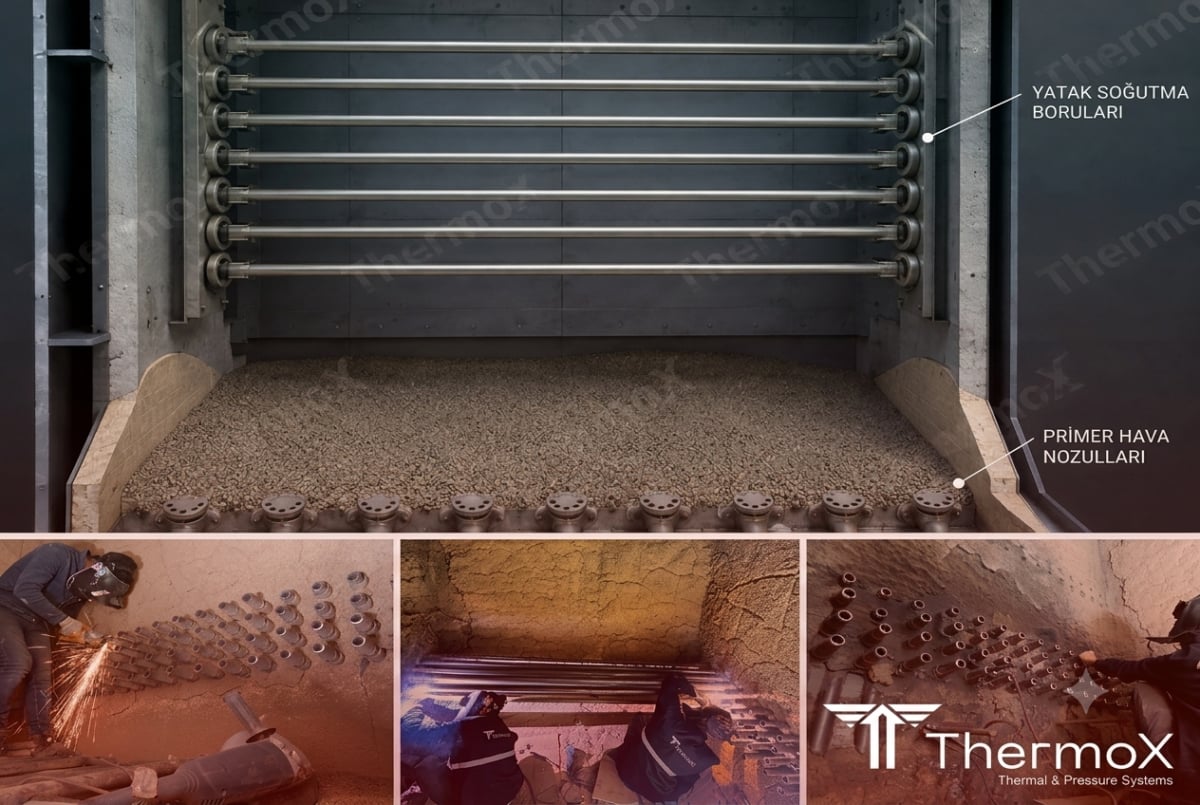
The primary air nozzle is a critical component that helps industrial fluidised bed boilers operate efficiently, safely and reliably over their service life. It directs the required airflow into the combustion chamber, supports complete fuel combustion and optimises boiler performance. Understanding how primary air nozzles work and maintaining them regularly is essential for facilities seeking continuity and efficiency in energy production.
Fluidised bed boilers operate at high temperatures and pressures, so their components inevitably wear or become blocked over time. When a primary air nozzle does not work correctly, fuel efficiency declines, emissions rise and problems such as soot accumulation develop inside the boiler. For this reason, regular maintenance and timely replacement are as important as nozzle design, material and installation quality.
Functions of Primary Air Nozzles
The primary air nozzle supports efficient fuel combustion by controlling the air entering the combustion chamber. Correctly operating nozzles balance the fuel-to-air ratio, stabilise combustion and minimise energy losses.
Primary air nozzles also regulate bed movement, helping distribute temperature evenly inside the boiler. This prevents imbalances such as overheating or local cooling and improves boiler performance. Stable combustion improves both energy efficiency and operational safety.
Primary air nozzles also support complete combustion of solid fuel particles. This minimises energy losses, saves fuel and reduces operating costs. The nozzle therefore helps facilities meet both technical and economic performance targets.
When Nozzles Are Worn, Blocked or Deformed
Primary air nozzles can wear, become blocked or deform over time due to high temperatures, repeated pressure changes and friction from particles. This directly affects combustion efficiency and can cause substantial energy losses.
A blocked nozzle disrupts airflow and prevents complete fuel combustion. The results include higher fuel consumption, increased emissions and accumulations of soot, ash or slag inside the boiler. These deposits accelerate equipment wear and increase maintenance costs.
A deformed primary air nozzle disrupts air distribution, creating temperature differences in the combustion chamber. This can lead to metal fatigue, cracking and equipment failure. Without regular inspection and periodic maintenance, boiler failures can cause significant production losses.
How Are Fluidised Bed Boiler Primary Air Nozzles Replaced?
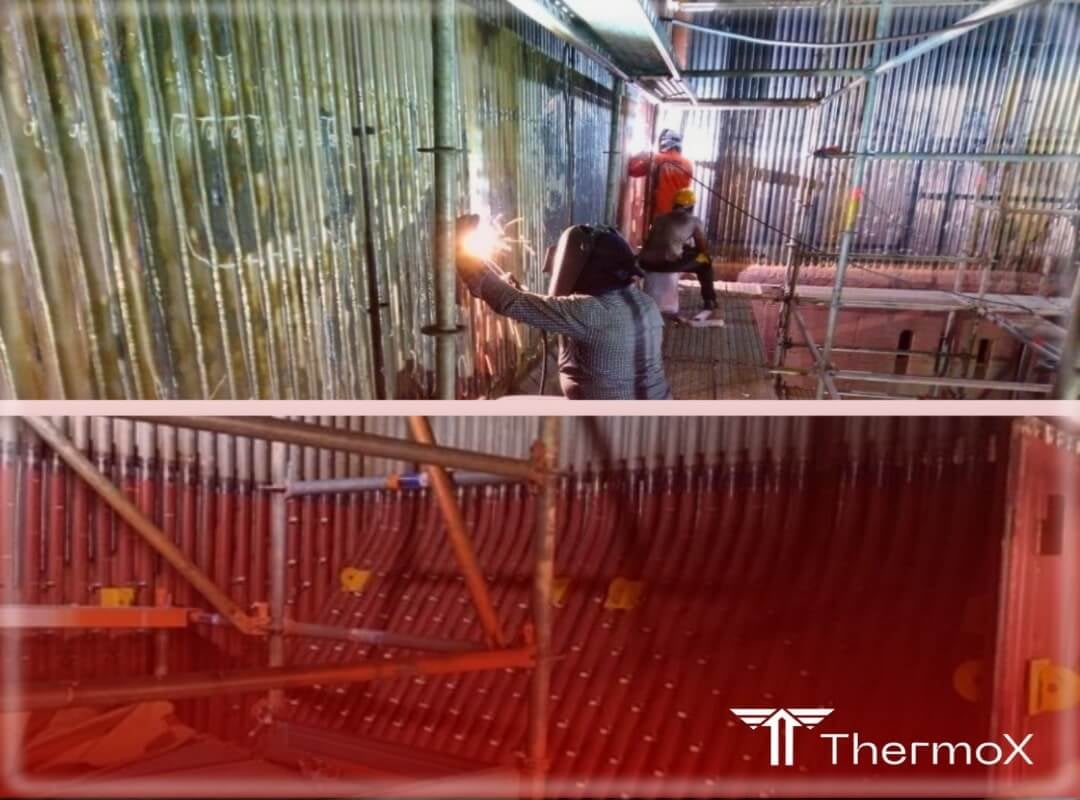
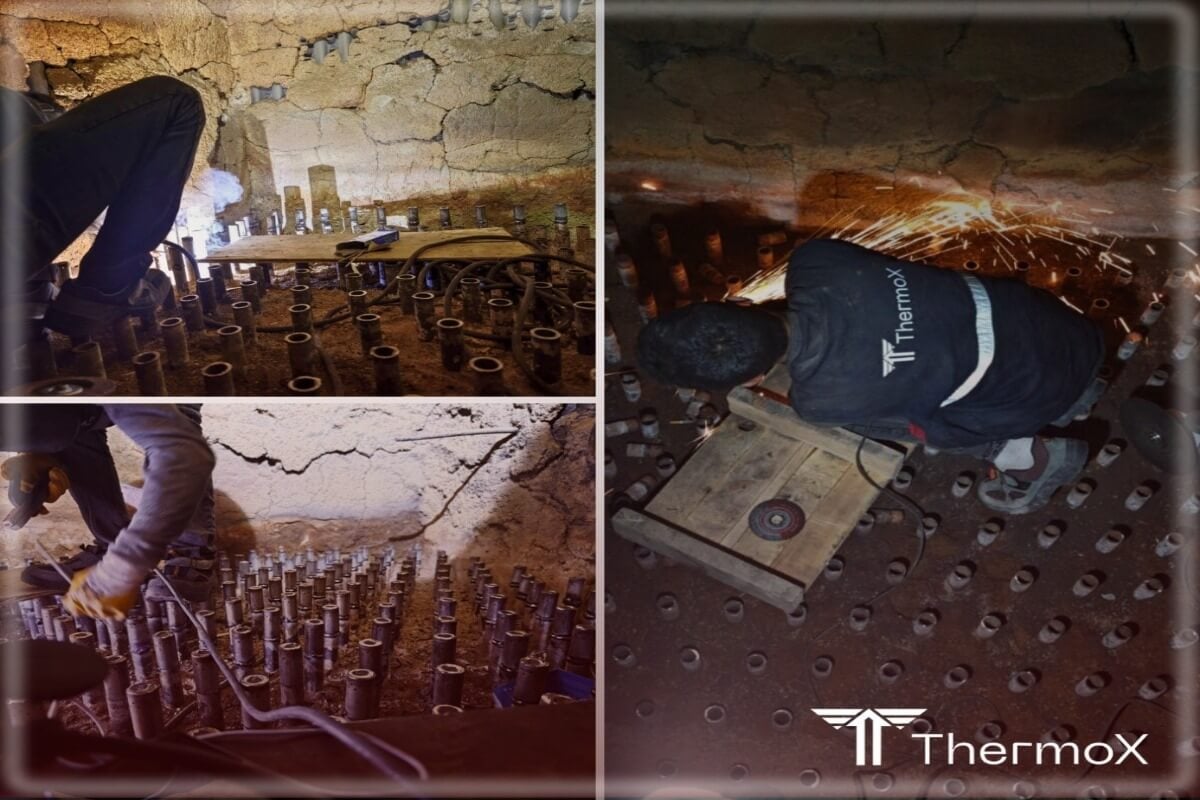
Primary air nozzle replacement must be carried out carefully by specialist teams. Before work begins, the boiler must be shut down, depressurised and all connections made safe.
During removal, surrounding components must be checked for damage caused by worn or blocked parts. Connections must be tested for leaks and airflow checked for balance.
During a major outage at a power station or steam plant, primary air nozzle replacement follows these technical stages:
Boiler Shutdown and Cooling
The boiler is safely taken out of service.
Internal pressure and temperature are reduced to normal levels.
Isolation and Safety Measures
Pressurised lines are isolated.
Gas measurements are taken in the work area.
Occupational safety procedures are applied.
Removal of Existing Nozzles
Worn, blocked or broken nozzles are removed.
Bed plate surfaces are cleaned.
Installation of New Nozzles
New primary air nozzles complying with the applicable standards are installed.
Leak tightness and alignment are checked.
Testing and Commissioning
Air-blowing tests verify that each nozzle operates correctly.
The boiler is commissioned and combustion stability is observed.
After replacement, air distribution in the combustion chamber must be checked for uniformity before the boiler returns to service. Regular maintenance and timely replacement extend boiler life and help prevent unexpected failures.
Conclusion
The primary air nozzle is one of the most critical components directly affecting combustion efficiency and boiler safety. Nozzles that are not inspected regularly or replaced in time increase fuel consumption and emissions and adversely affect boiler performance.
Periodic maintenance and replacement when required are essential to reducing operating costs and maintaining a safe working environment. All primary air nozzle maintenance and replacement work should therefore be carried out by specialist teams.
Frequently Asked Questions
What does a fluidised bed boiler primary air nozzle do?
It supplies the required air to the combustion chamber in a controlled manner, supporting complete fuel combustion. This improves efficiency and reduces emissions.
When should a fluidised bed boiler primary air nozzle be replaced?
A nozzle should be replaced when wear, blockage or deformation is detected. Regular maintenance helps determine the right time for replacement.
What happens when a fluidised bed boiler primary air nozzle becomes blocked?
A blocked nozzle disrupts airflow and combustion. Fuel efficiency falls, emissions increase and soot accumulates inside the boiler.
Who should replace fluidised bed boiler primary air nozzles?
Specialist teams should carry out replacement to protect boiler safety. Incorrect installation can cause serious performance losses and safety risks.
At ThermoX Engineering, our team specialising in fluidised bed boiler maintenance and repair provides primary air nozzle replacement, boiler maintenance and power plant maintenance solutions.